Resources · Article · March 2026

Your Sensorgram Is
Telling You Something.

We've traveled to labs on four continents. The most common thing we hear: "I'm not sure my data is good enough." Here's how to read what your sensorgram is actually telling you.

← Back to Resources

We've seen your data. Here's what it's telling you.

We've traveled to labs on four continents, and the most common thing we hear from our clients is: "I'm not sure my data is good enough." You're not alone — and you don't have to figure it out by yourself.

What is your sensorgram telling you? ANY INSTRUMENT · FIND YOUR PATTERN · SUBMIT YOURS Ideal binding Noisy / no fit Baseline drift Slow dissociation
"We traveled to labs on four continents — and the most common thing we hear is: I'm not sure my data is good enough."

The top 3 issues we see in the field:

Bulk RI shifts
Buffer mismatch between sample and running buffer
Non-specific binding
Signal that doesn't follow your analyte concentration
Poor regeneration
Baseline that never fully returns between cycles

Why does the curve do that? What's with the sharp incline? Why doesn't the model fit? — these are the questions we live with. We wrote the cheat sheet so you don't have to guess.

Read the cheat sheet →

No instrument? No lab nearby? We'll come to you.

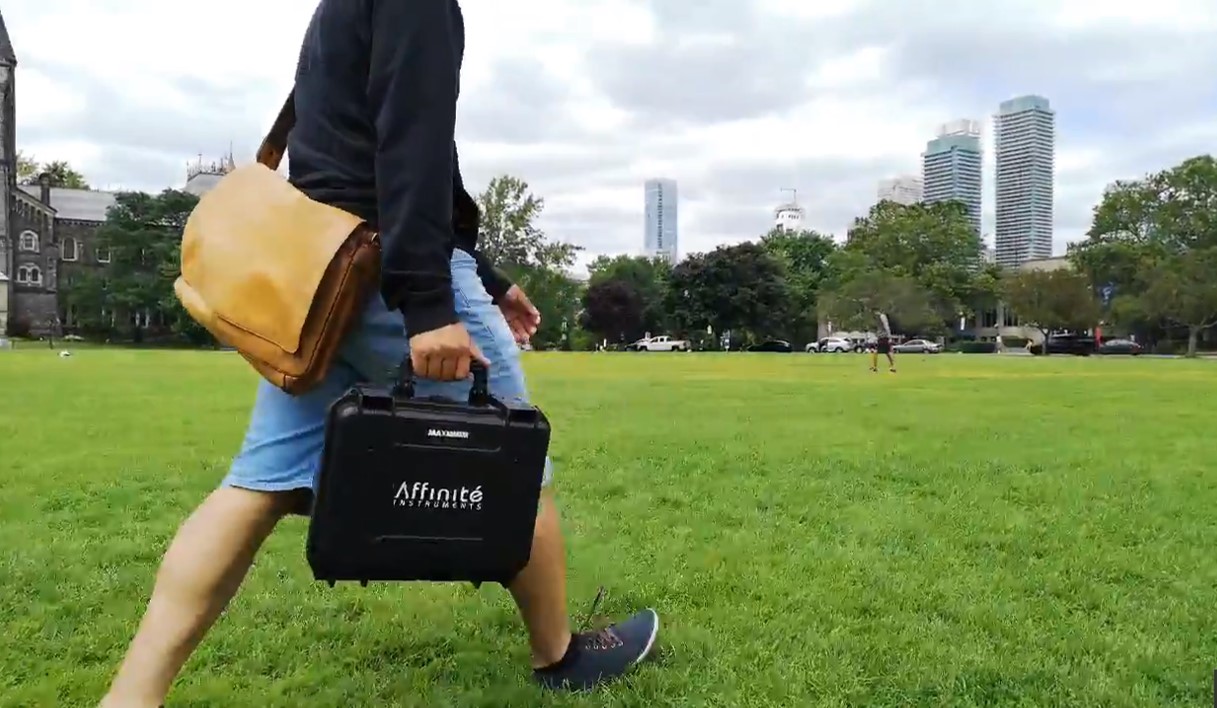
Affinité Instruments — portable SPR, carried anywhere
"SPR would be the most appropriate — but we don't have in-house access."

We built the P4PRO to fit in a carry-on. We built our service model to fit your schedule. Whether you need full A-to-Z support or just a hand getting started — we know this instrument like the back of our hand, and we'll share everything we know.

Whether you're already part of the Affinité family or just starting to explore SPR — we'd love to hear from you.

Book a conversation →